A global virtual symposium uniting One Health leaders worldwide to collaborate, innovate, and advance planetary and human well-being.
Join colleagues from around the world for a 24‑hour Global One Health Symposium, a continuous virtual event dedicated to exploring the complex connections among human, animal, plant, and environmental health. Over the course of one full day, participants across the globe will engage with experts, students, and practitioners working at the front lines of One Health challenges and solutions.
Event overview
The symposium will feature live and recorded presentations (recordings accessible asynchronously) spanning key One Health domains, including zoonotic and emerging infectious diseases, wildlife conservation, environmental health, antimicrobial resistance (AMR), translational medicine, indigenous perspectives in One Health, and more. Four sessions are scheduled across time zones to foster global engagement and allow attendees to join whenever it best fits their schedule.
Presentations and keynote sessions
Faculty, researchers, and professionals will share cutting‑edge work on surveillance, prevention, and control of zoonotic diseases; innovative approaches to conserving biodiversity; and integrated strategies to address health concerns across human, animal, and agricultural settings. The keynote talk will highlight cross‑sector collaboration and real‑world case studies that demonstrate the power of a One Health approach.
Interactive breakout sessions
Five, live interactive breakout groups during each of the fours sessions will focus on applied topics such as AMR, wildlife and environmental conservation, translational medicine, indigenous perspectives, and One Health student organizations. Participants will have opportunities to introduce themselves, discuss global priorities, workshop ideas, and share opportunities for future collaboration.
Who should attend?
The Global One Health Symposium welcomes students, educators, researchers, clinicians, veterinarians, public health professionals, policy makers, and community partners who are interested in interdisciplinary collaboration. Whether you are new to One Health or a long‑time advocate, this 24‑hour global forum will provide insight, inspiration, and connections to help advance integrated solutions for a healthier planet.
Research posters
A virtual poster session (accessible asynchronously) will showcase student‑led research and projects from around the world, offering a platform for emerging leaders to share findings, receive feedback, and build their professional networks. Dedicated networking breakouts and informal discussion boards will connect students with mentors, collaborators, and peers who share similar interests and regional challenges.
Students (undergraduate or graduate) and post-docs interested in submitting a research poster presentation (3-5 minute recording), please click the link below.
Last day to submit: March 31, 2026
Register and join us on Whova
We will host this virtual event on Whova and meet on Microsoft Teams. Please use the button below to register and download the Whova app.
📅 Event Name: Global One Health Symposium
📍 Platform: Whova (mobile or web) + Microsoft Teams
🔗 More info here: Global One Health Symposium 2026
We look forward to connecting with you and advancing the conversation toward a healthier, more sustainable future for all.
Resources
Schedule by Timezone
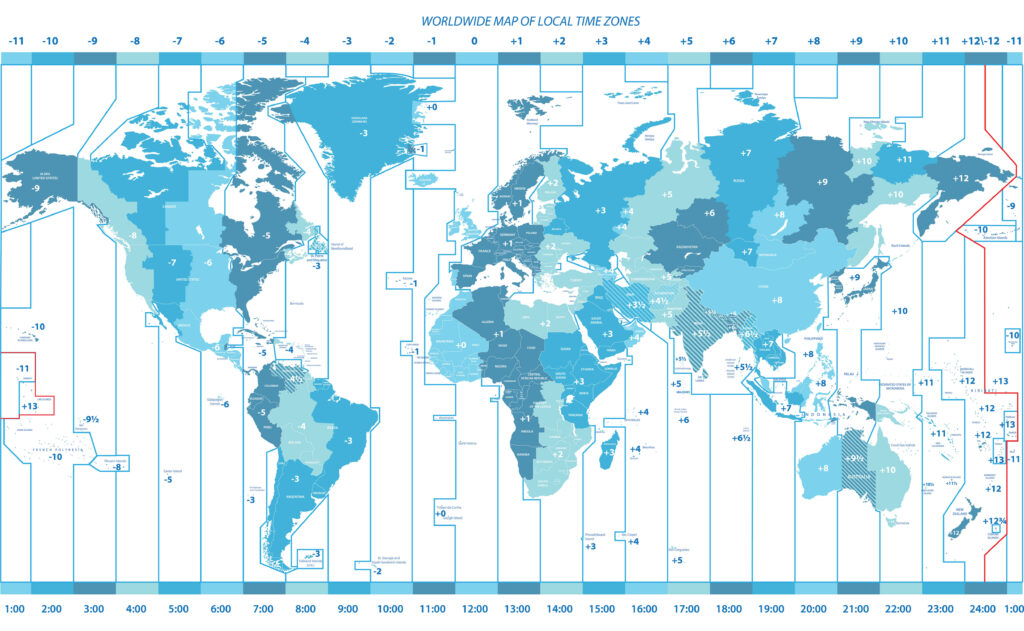
- UTC +7 Bangkok/Hanoi/Jakarta (8:00am-2:00pm local time)
- UTC +8 Beijing/Hong Kong/Singapore (9:00am-3:00pm local time)
- UTC +9 Tokyo/Osaka-shi/Seoul (10:00am-4:00pm local time)
- UTC +10 Canberra/Melbourne/Sydney (11:00am-5:00pm local time)
- UTC +11 Magadan/Solomon Islands (12:00pm-6:00pm local time)
- UTC +12 Auckland/Wellington/Fiji (1:00pm-7:00pm local time)
*Feel free to join any of the sessions regardless of your timezone as each will feature a unique set of speakers
- UTC +0 London/Dublin/Lisbon (8:00am-2:00pm local time)
- UTC +1 Amsterdam/Paris/Berlin/Rome/Leon/Cairo/Maputo (9:00am-3:00pm local time)
- UTC +2 Cairo/Maputo (*also 9:00am-3:00pm local time)
- UTC +3 Athens/Bucharest/Baghdad/Moscow/Nairobi (10:00am-4:00pm local time)
- UTC +4 Dubai/Abu Dhabi/Muscat/Baku/Port Louis (11:00am-5:00pm local time)
- UTC +5 Islamabad/Tashkent/Karachi (12:00pm-6:00pm local time)
- UTC +6 Dhaka (Bangladesh)/Bishkek/Omsk (1:00pm-7:00pm local time)
*Feel free to join any of the sessions regardless of your timezone as each will feature a unique set of speakers
- UTC -5 Bogota/Lima/Central Time-Nashville (CDT) (8:00am-2:00pm local time)
- UTC -4 La Paz/San Juan (Puerto Rico)/Santiago/New York (Eastern EDT) (9:00am-3:00pm local time)
- UTC -3 Brazil/Buenos Aires/Montevideo (10:00am-4:00pm local time)
- UTC -2 Mid-Atlantic/Fernando de Noronha (11:00am-5:00pm local time)
- UTC -1 Cape Verde Islands (12:00pm-6:00pm local time)
- UTC -0 Azores/Accra/Reykjavik (1:00pm-7:00pm local time)
*Feel free to join any of the sessions regardless of your timezone as each will feature a unique set of speakers
- UTC -11 Samoa (8:00am-2:00pm local time)
- UTC -10 Hawaii/Tahiti (9:00am-3:00pm local time)
- UTC -9 Gambier Islands 10:00am-4:00pm local time)
- UTC -8 Alaska (AKDT) (11:00am-5:00pm local time)
- UTC -7 Pacific Time (PDT)/Arizona (Mountain) (12:00pm-6:00pm local time)
- UTC -6 Mexico City/Denver/Santa Fe/El Paso (1:00pm-7:00pm local time)
*Feel free to join any of the sessions regardless of your timezone as each will feature a unique set of speakers
Breakout Session Details
Antimicrobial Resistance (AMR)
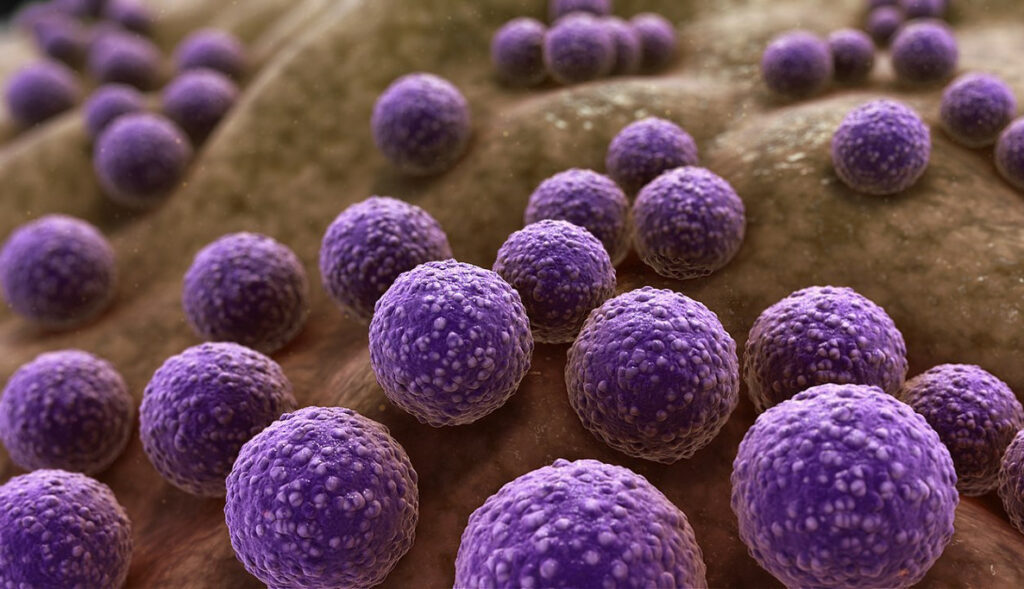
This group will connect researchers and practitioners working on the emergence, spread, and control of antimicrobial resistance in humans, animals, and the environment. Participants will share surveillance approaches, stewardship strategies, and One Health collaborations to slow AMR and develop innovative interventions.

Wildlife and Environmental Conservation
This group will bring together people focused on conserving wildlife populations and the ecosystems they depend on, from local habitats to migratory networks. Participants will discuss research, community engagement, and policy tools that link biodiversity protection with human well-being and environmental justice.

Translational Medicine
This group will gather those turning basic science and clinical observations into practical tools—diagnostics, therapies, and interventions—that improve health outcomes across species. Participants will explore pipelines, partnerships, and study designs that move discoveries “from bench to bedside and barnyard” more efficiently and equitably.
Indigenous Perspectives in One Health
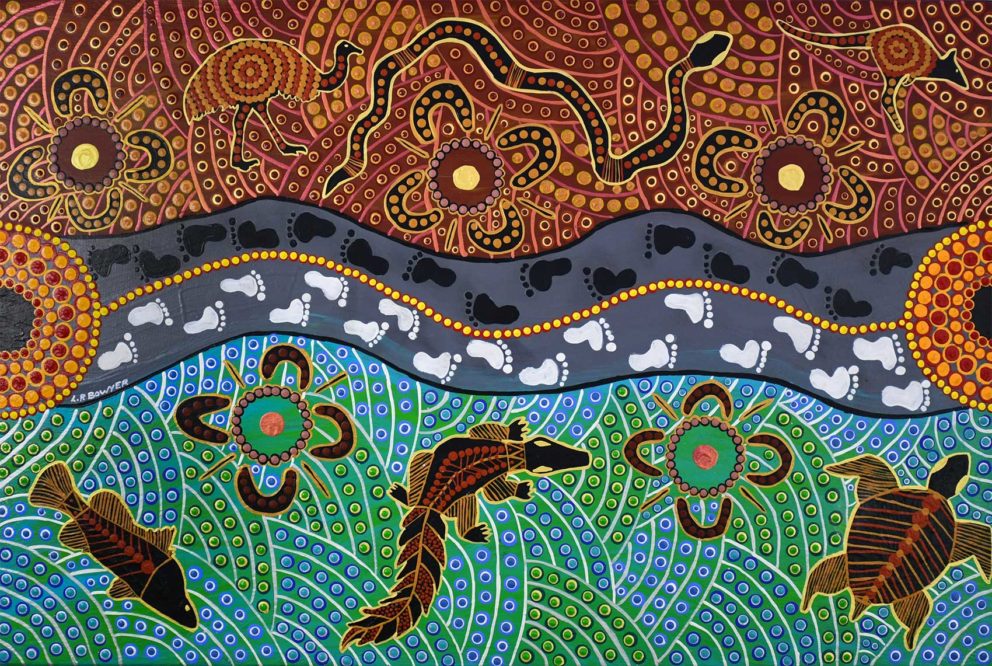
This group will center Indigenous knowledge systems, governance, and relationships to land, water, and animals within One Health practice. Participants will share examples of co-created projects, discuss ethical partnership and data sovereignty, and brainstorm collaborations that respect Indigenous rights and leadership.

One Health Student Organizations
This group will connect students and mentors involved in or interested in forming One Health clubs, chapters, and networks. Participants will exchange ideas on events, community projects, advocacy, and mentoring structures that build an active, interdisciplinary One Health student community on their campuses and beyond.