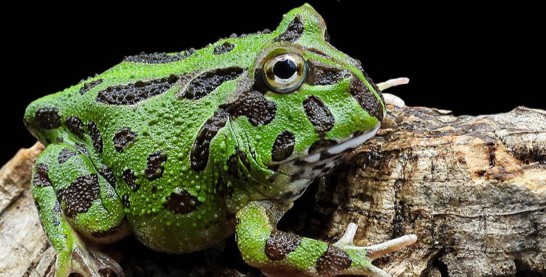
Central Africa
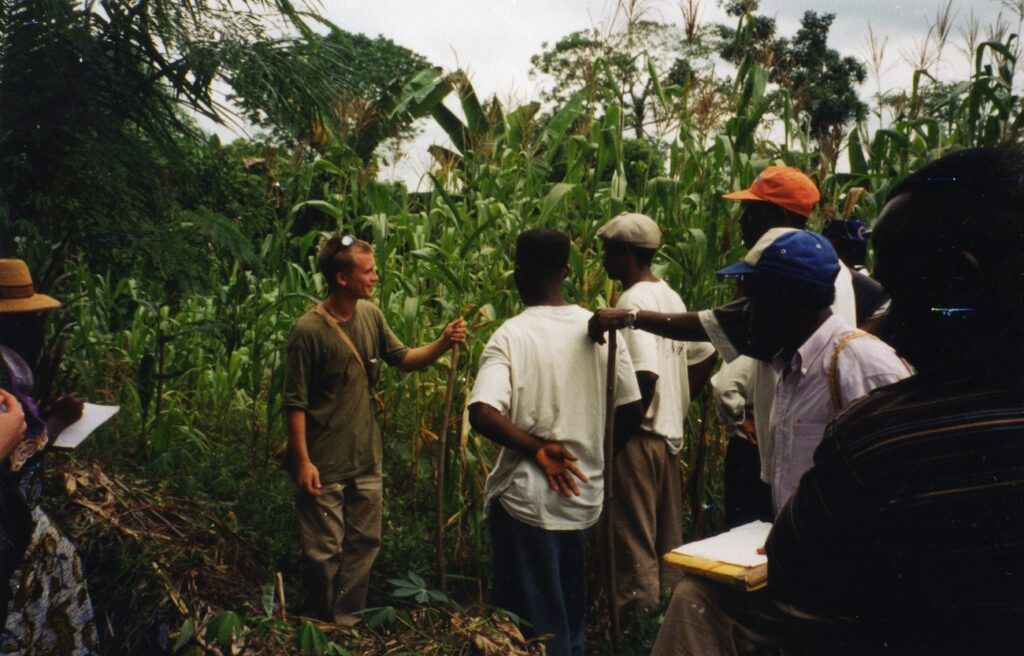
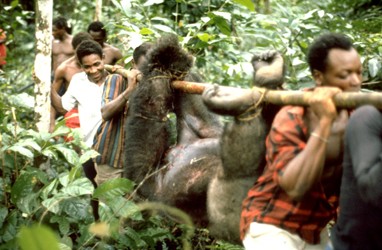
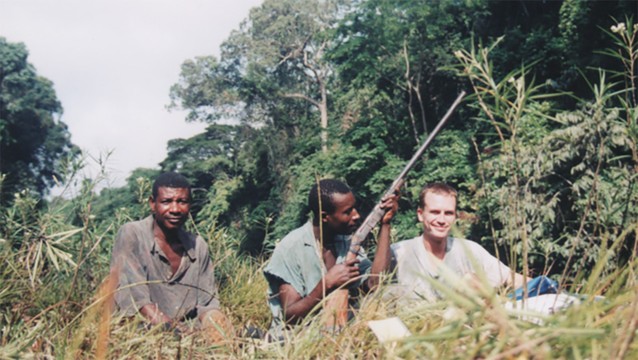
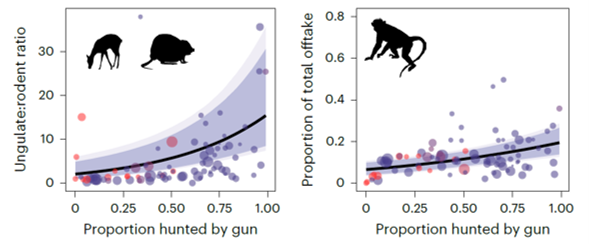
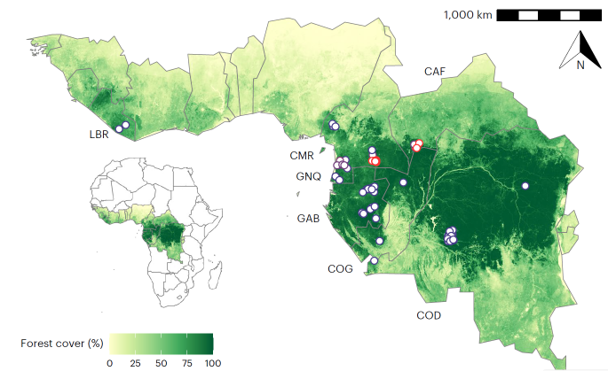
One Health Initiative Scholar Adam Willcox published in Nature Sustainability on his work with bushmeat hunters in Cameroon and how context-specific hunting management is crucial to wildlife sustainability in Central Africa. Read more about his work that lead to the extensive study here: https://naturalresources.tennessee.edu/step-outside-adam-willcox-on-sustainable-hunting-research/.
Brazil
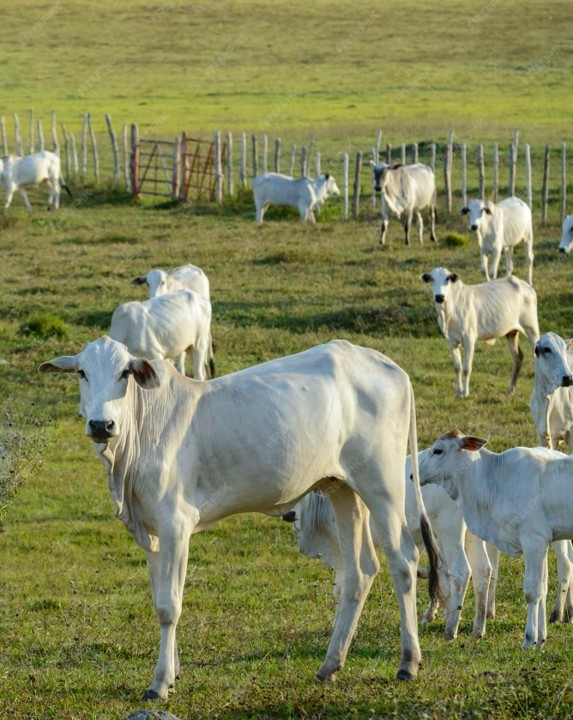
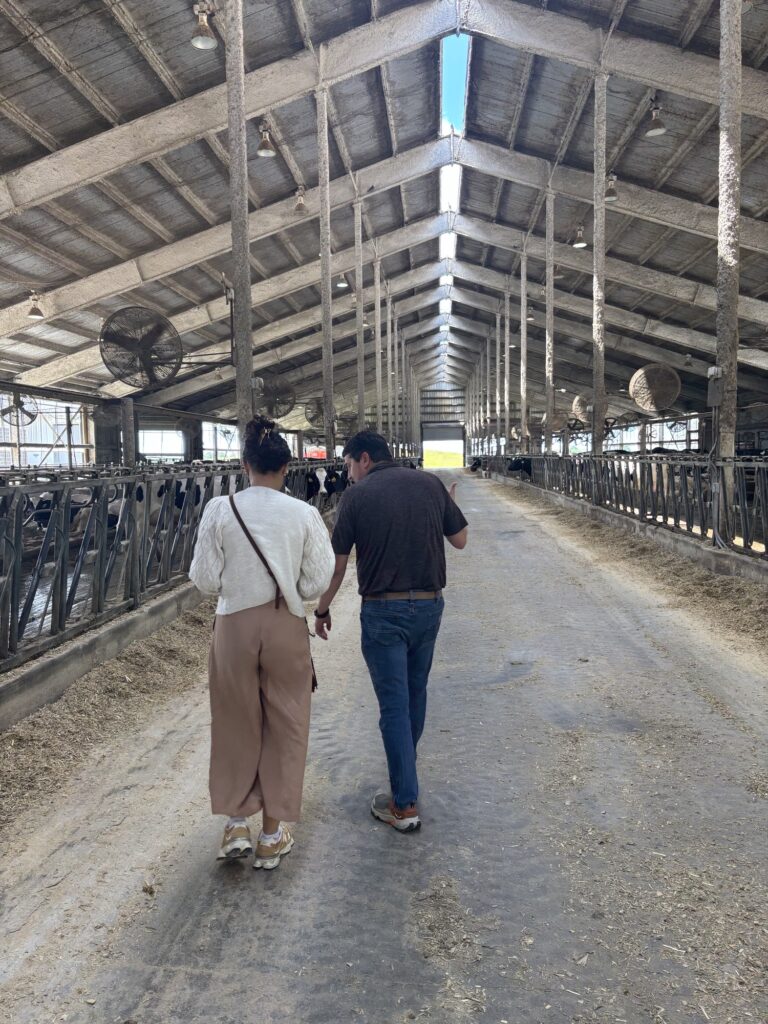
The One Health Initiative hosted visiting scholar Elaine Dorneles, a veterinarian and Associate Professor at Federal University of Lavras, as part of the Smith Center for International Sustainable Agriculture’s UT-Brazil Collaboration Week on April 27-30, 2026.
Her research centers on infectious diseases of livestock, with a focus on bovine mastitis, antimicrobial use and resistance, and epidemiological modeling. Her work combines microbiological, molecular, and data-driven approaches within a One Health framework. Her previous One Health Seminar, Antimicrobial Use and Resistance in Dairy Production: Challenges and Strategies for a One Health Approach, is available here: https://youtu.be/o6Z51s6fH8g.

Colombia and Argentina
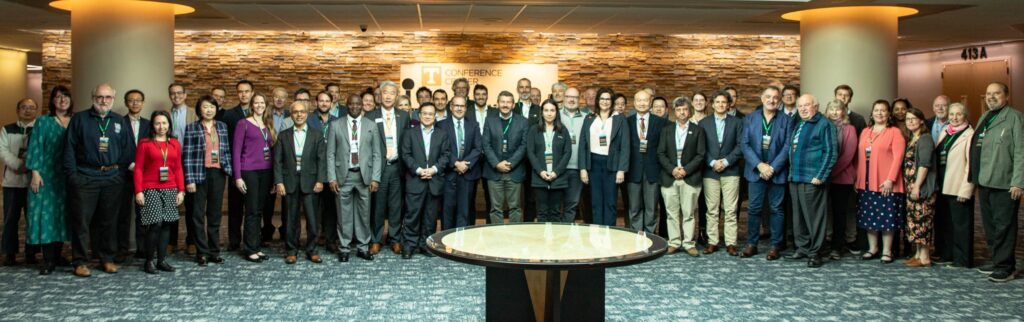
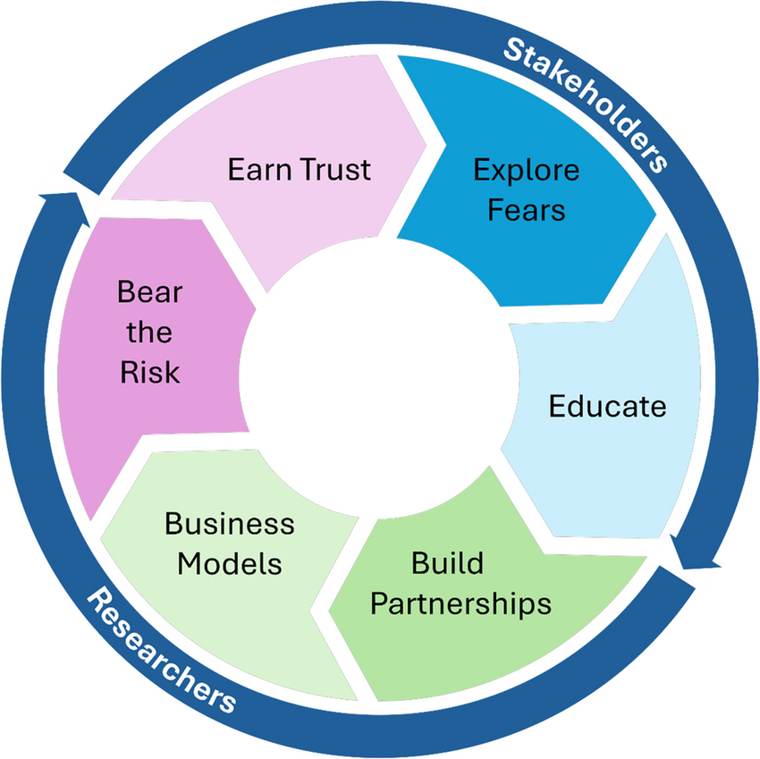
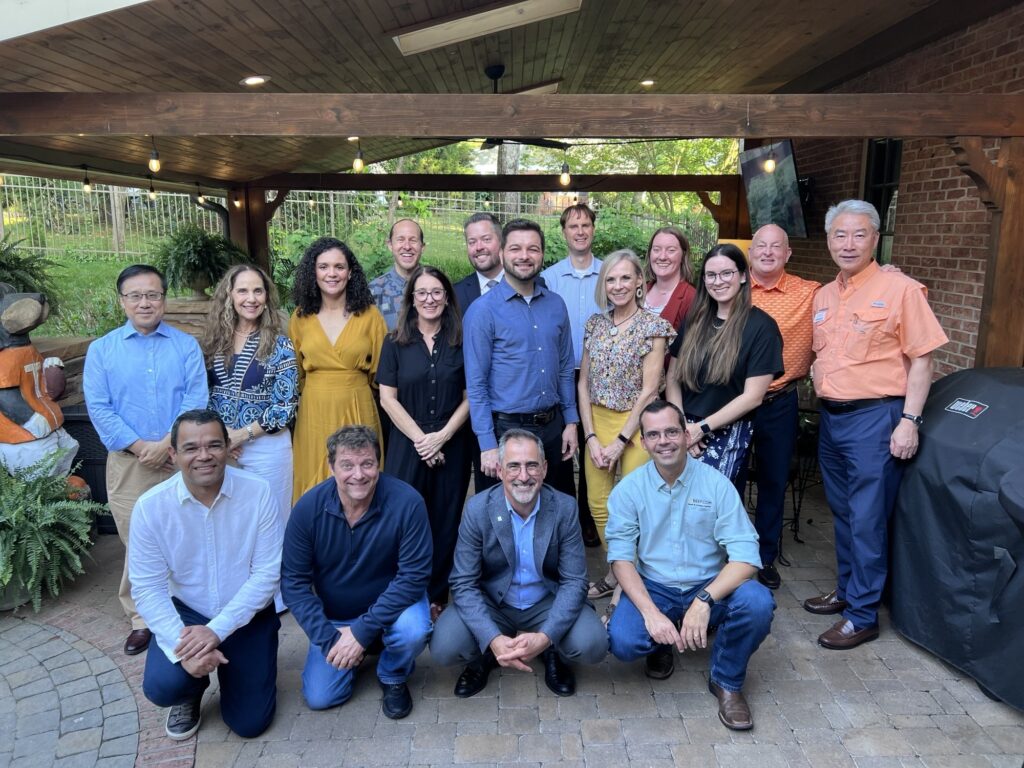
The One Health Initiative hosted a One Health in Circular Economies Workshop as part of the multinational Food-Energy-Water for Sustainable Urban Systems (FEWSUS) conference.
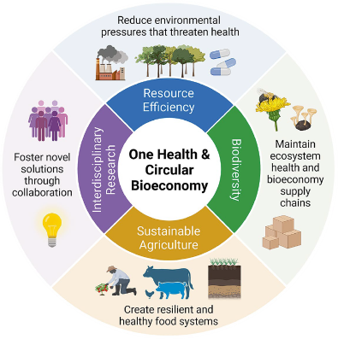
As a result of that workshop, OHI lead a white paper publication with collaborators from Colombia (Johana Husserl) and Argentina on bridging Researcher-Stakeholder disconnects and contributed to a textbook on the Circular Bioeconomy.
Iceland
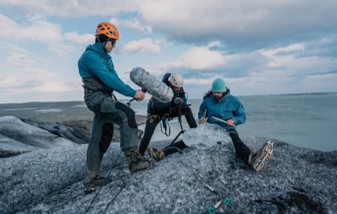
One Health Initiative correspondent Konstantine Vlasis continues his work in Iceland on recording the sounds of melting glaciers to bring awareness to climate change and the impacts of rising temperatures in Iceland. His previous One Health Seminar, Listening with Glaciers: The Sounds and Songs of a Melting Landscape, is available here: https://youtu.be/H-xSPooJMbs?si=dHYmzvqlRvb7lk0p.

Indonesia
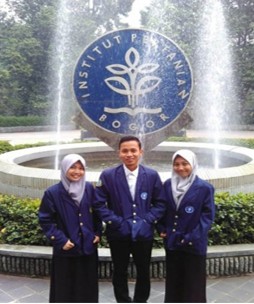
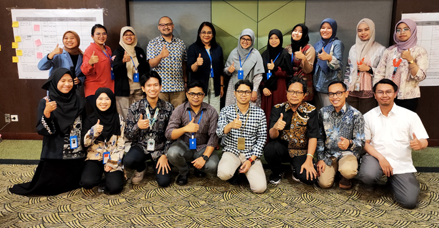
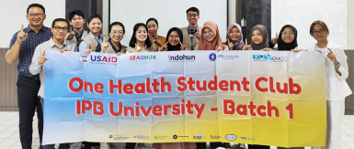
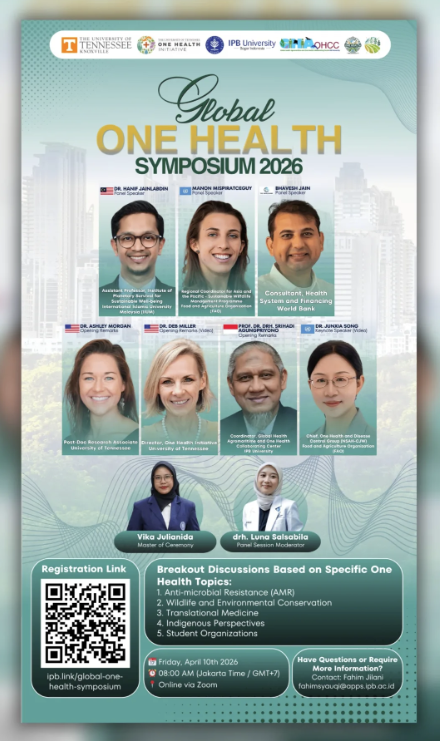
The One Health Initiative and One Health Student Coalition at UT have joined efforts with Institut Pertanian Bogor (IPB) University in Indonesia to identify student-centered and student-led collaborative opportunities. UT and IPB both have active One Health-centric student groups, and they have exchanged ideas on events, programs, and activities to promote One Health more broadly.
In 2026, the One Health Student Club at IPB hosted the opening session of OHI’s Global One Health Symposium.
Japan
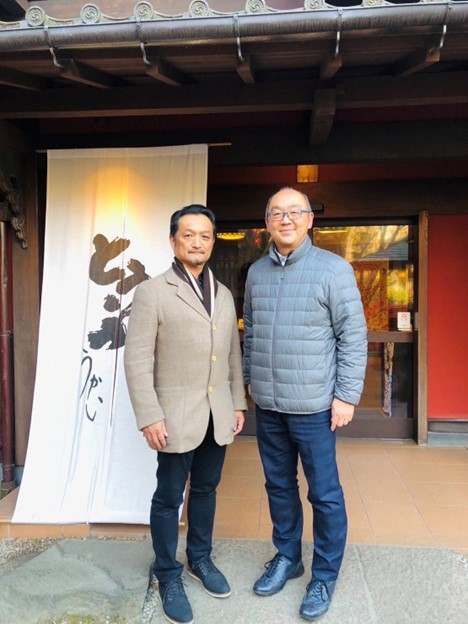
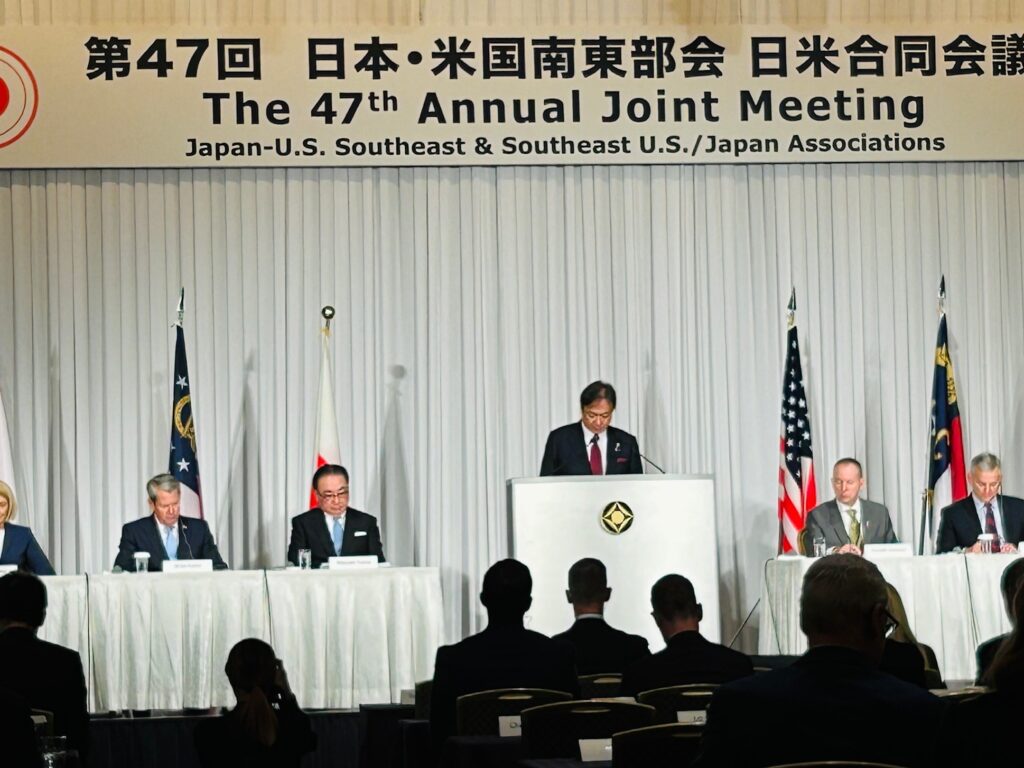
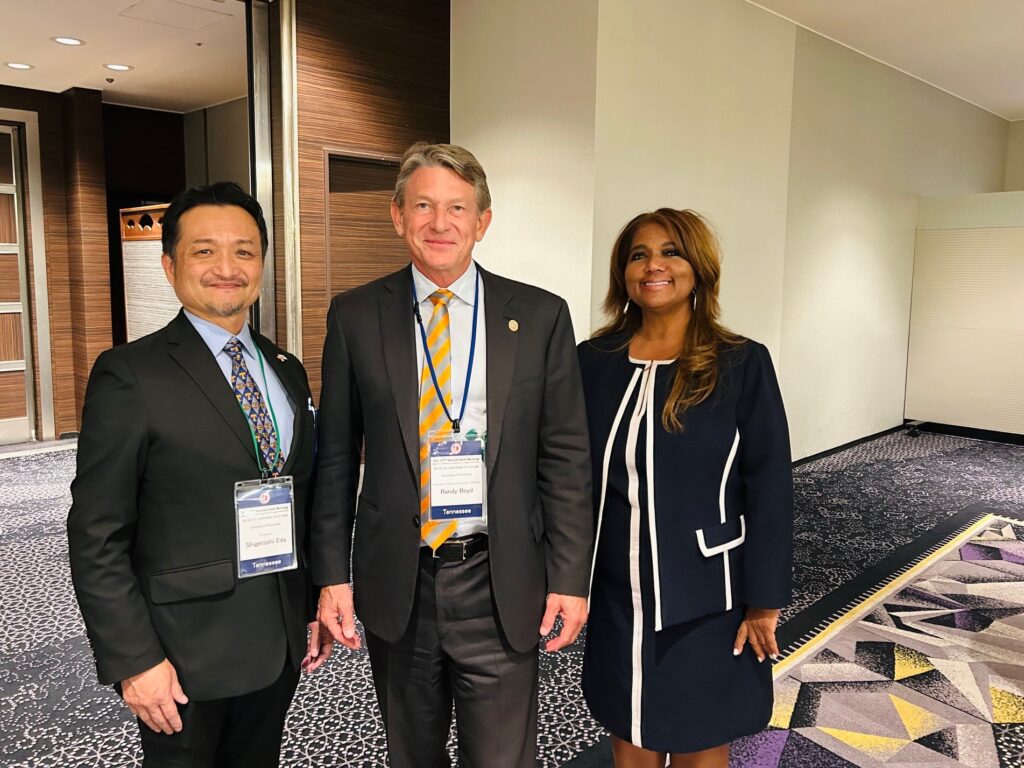
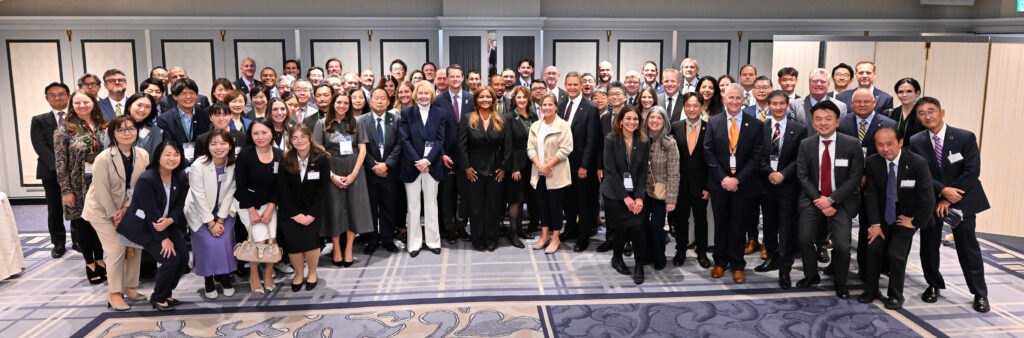
One Health Initiative Scholar-in-Chief, Shige Eda, has developed relationships with several Japanese Universities including Tokyo University and Hokkaido University, as well as their One Health Research Center. He also attended the US-Japan Joint Meeting to discuss collaborative business opportunities.
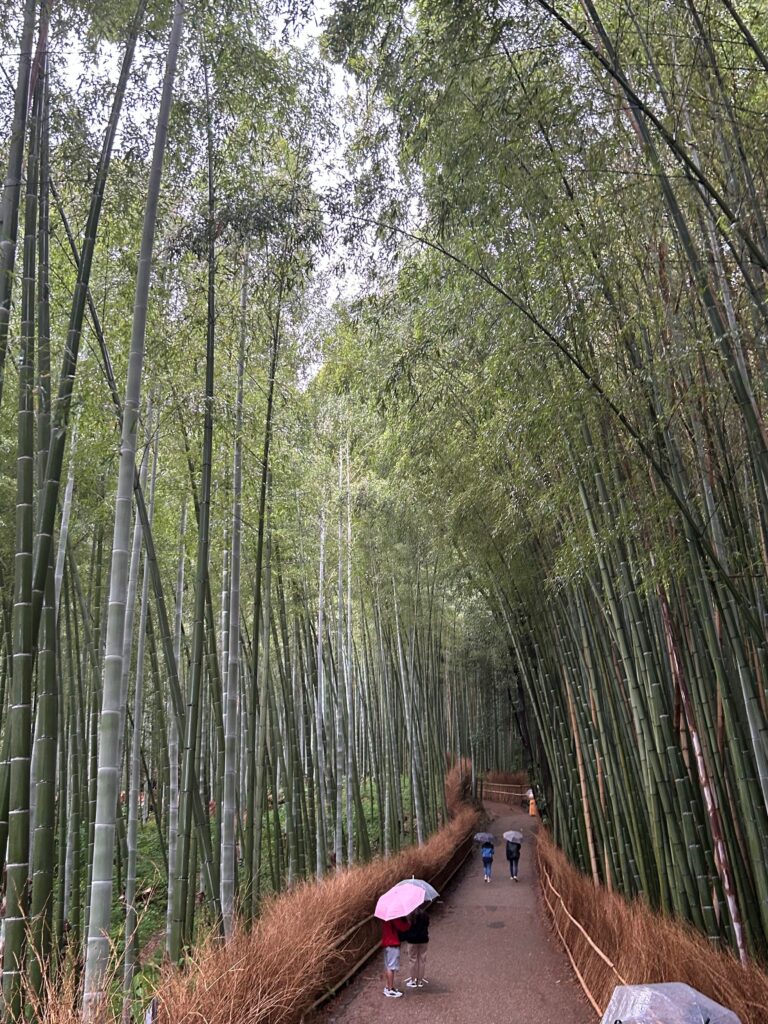
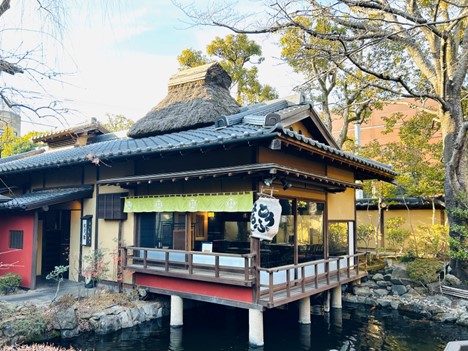
In June of 2026, Dr. Eda will host the first cohort of students for a “One Health Study Abroad in Japan: Integrating Human, Animal, and Environmental Health in Agriculture and Natural resources.”


Panama
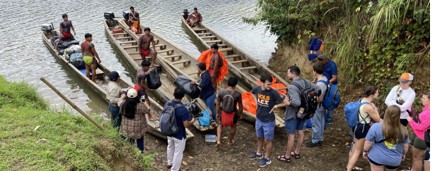
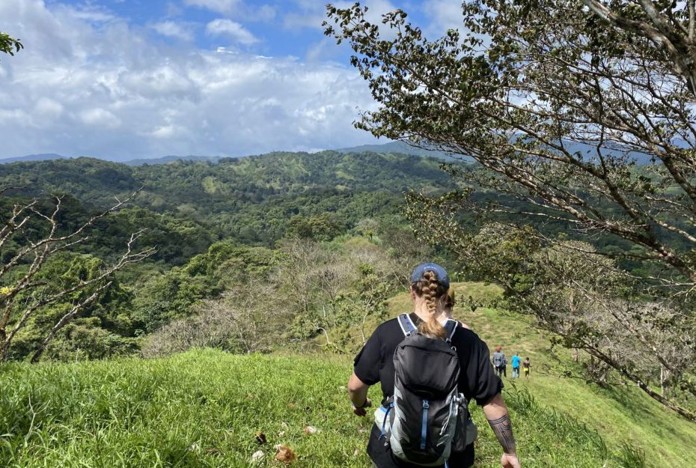
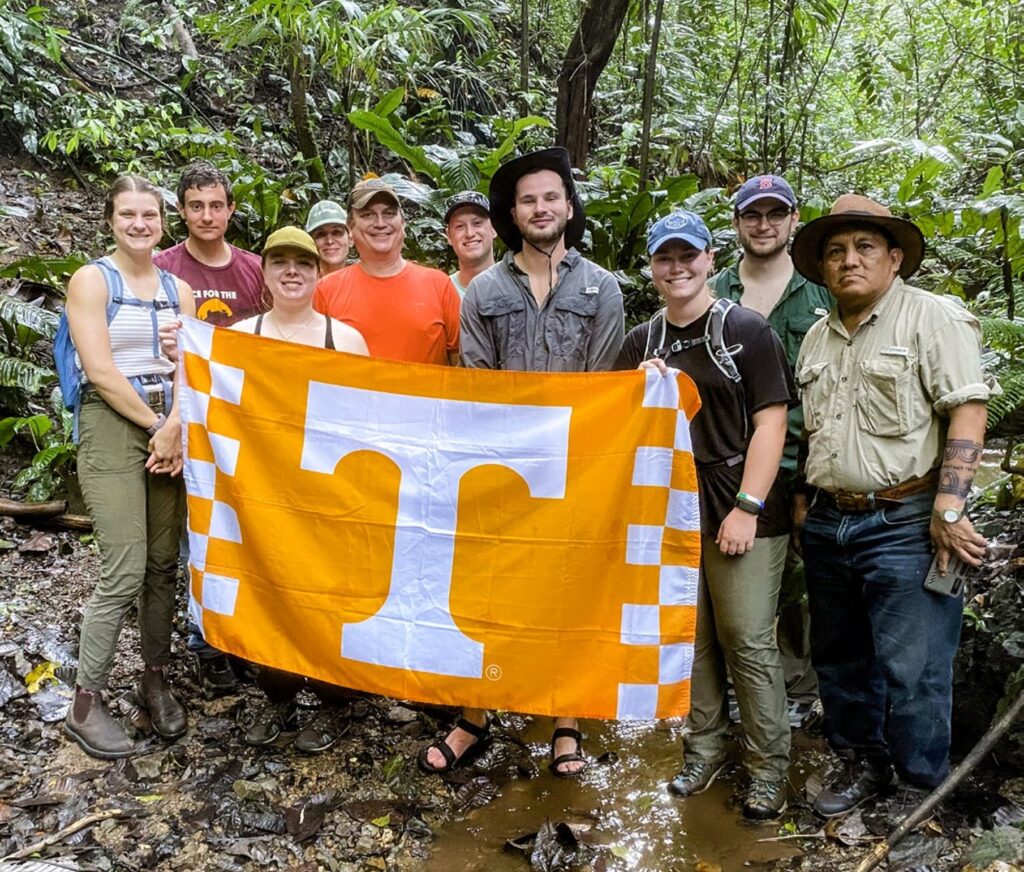

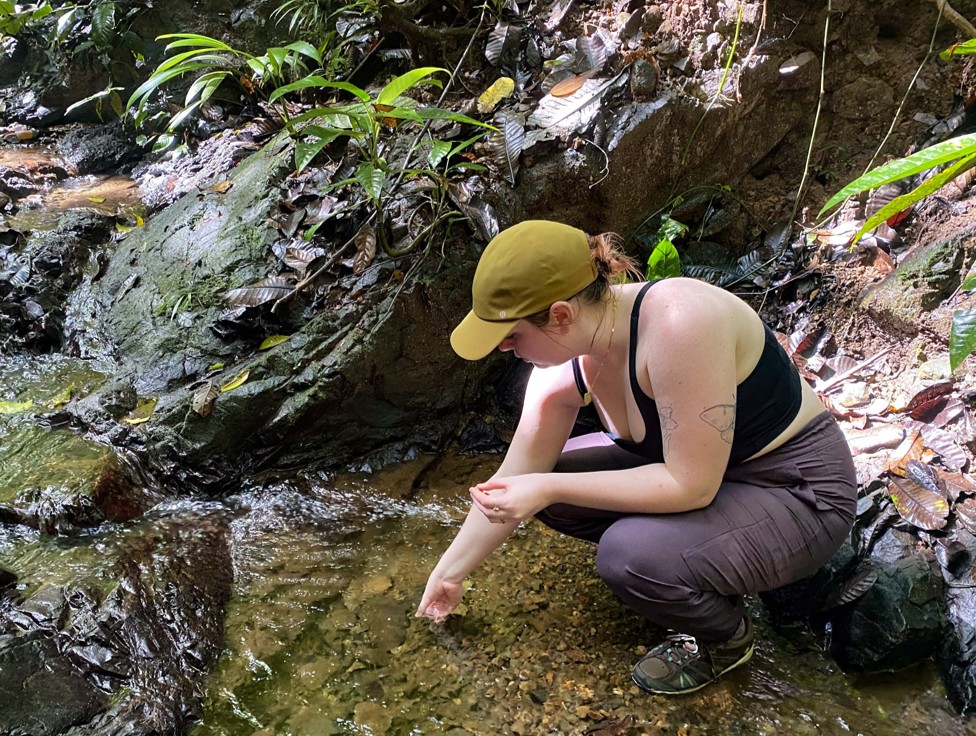
Recipients of a One Health Initiative Seed Grant built the program, “Training the Next Global One Health Workforce: An Educational Pilot Program for Cross-Sectoral Engagement in Las Lajas (Darien Province), Panama.”
As a part of this program, students built core One Health competencies and investigated root causes of waterborne zoonoses. These efforts were interdisciplinary and community-focused.
Philippines
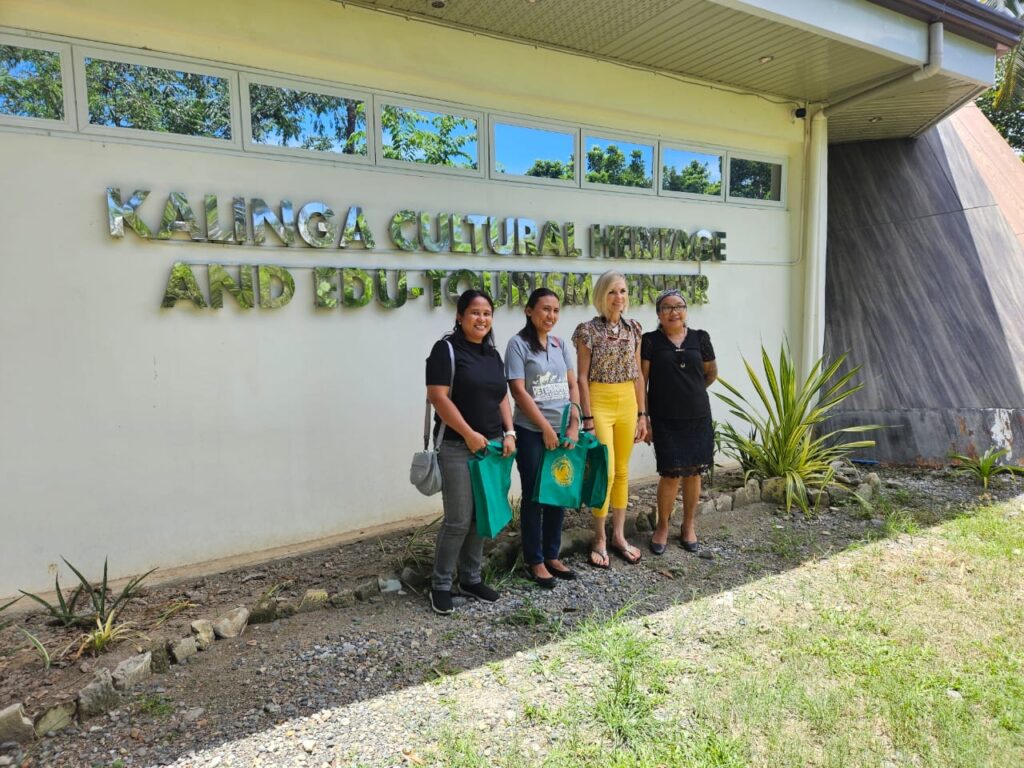
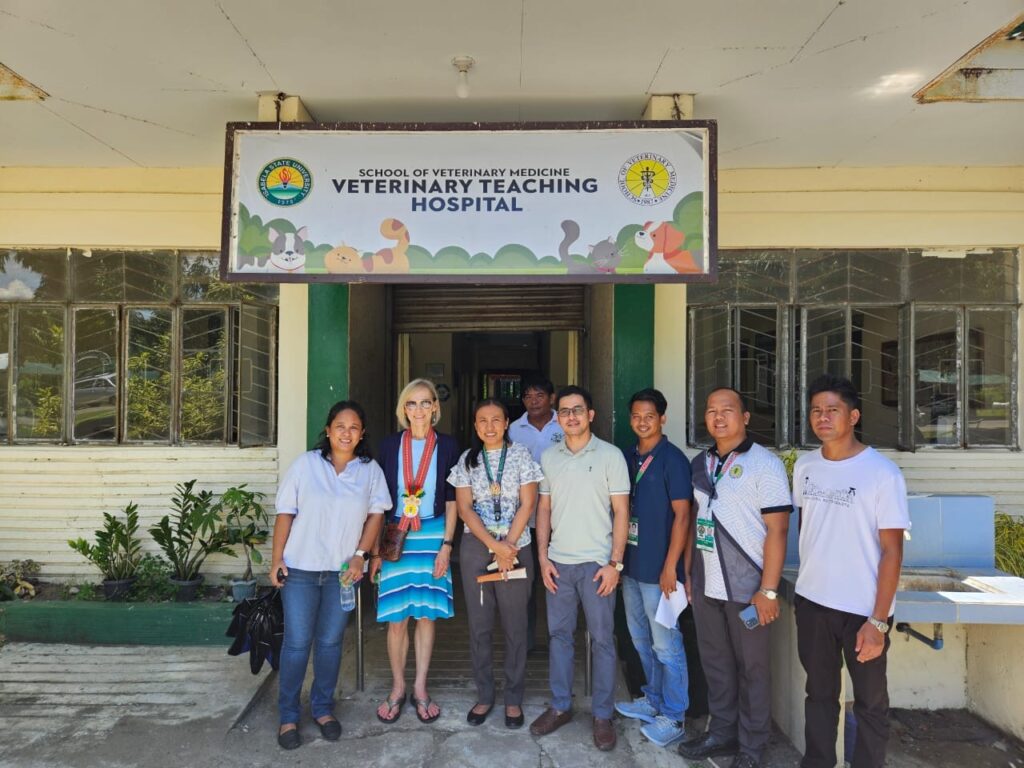
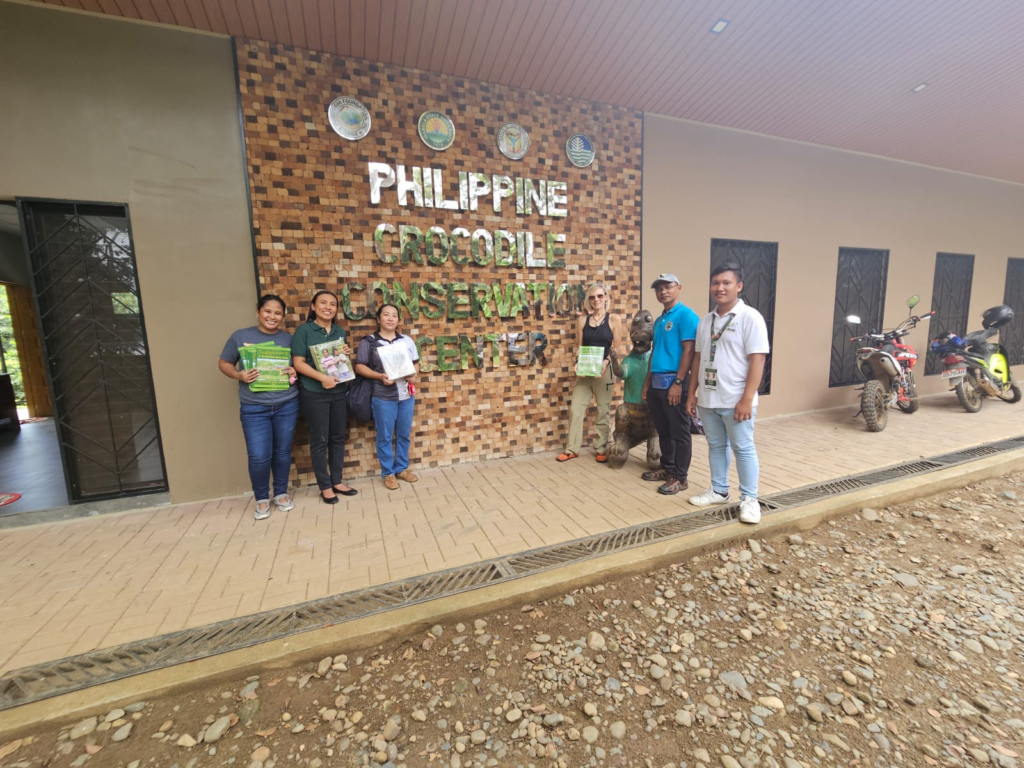
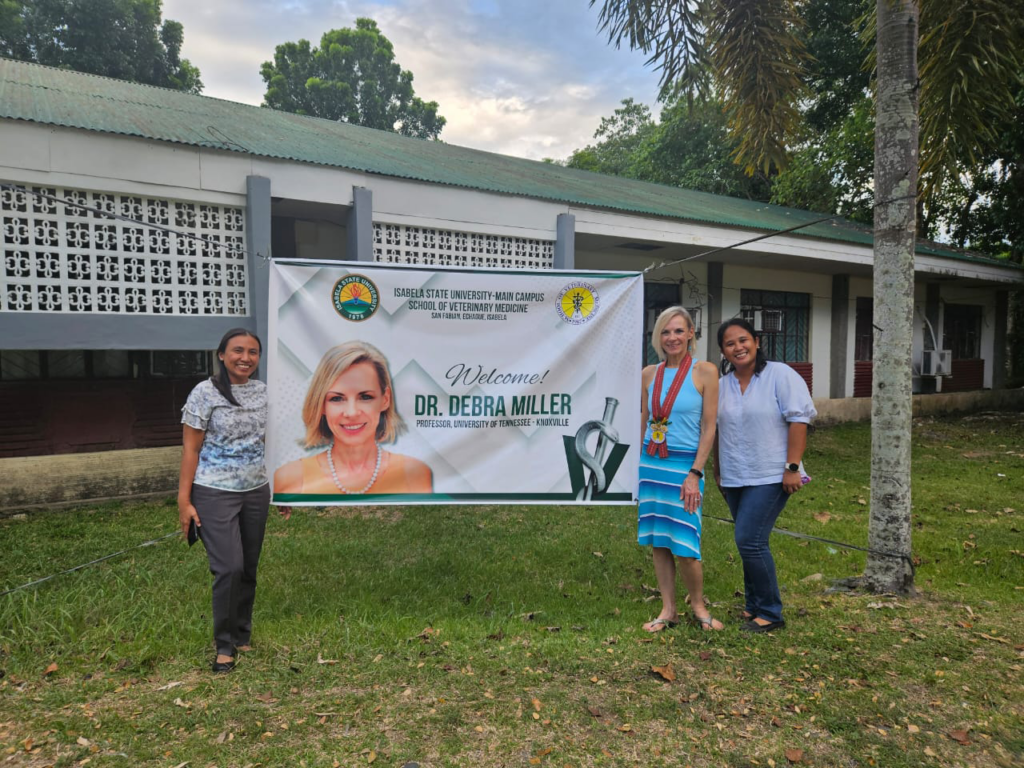
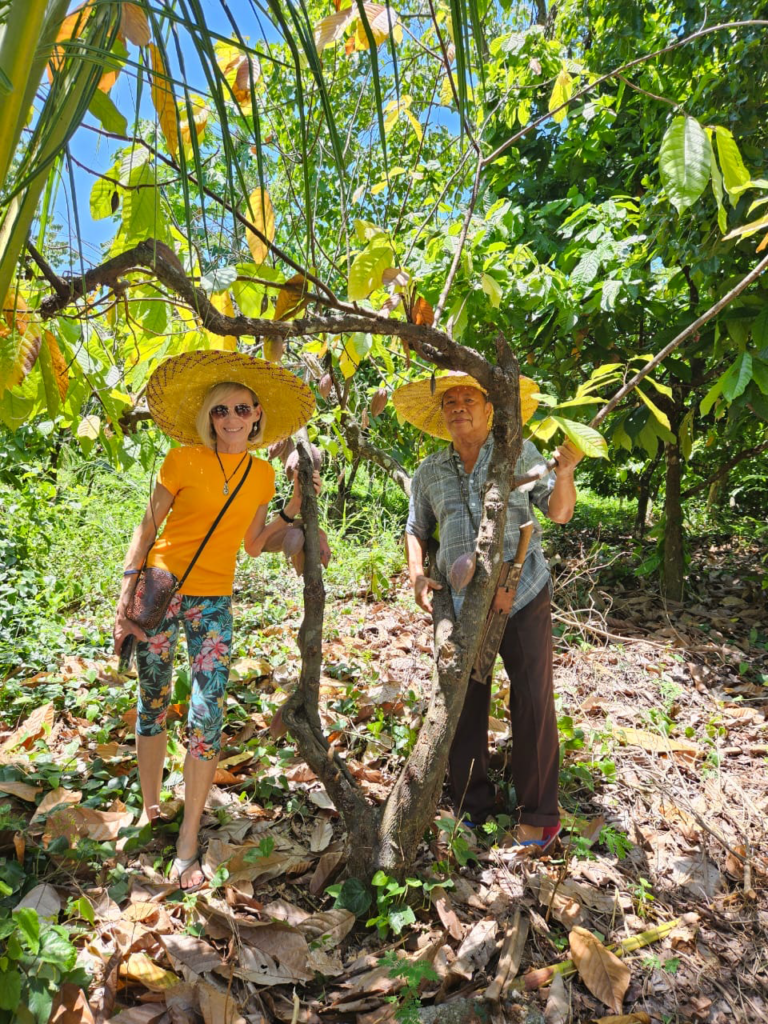
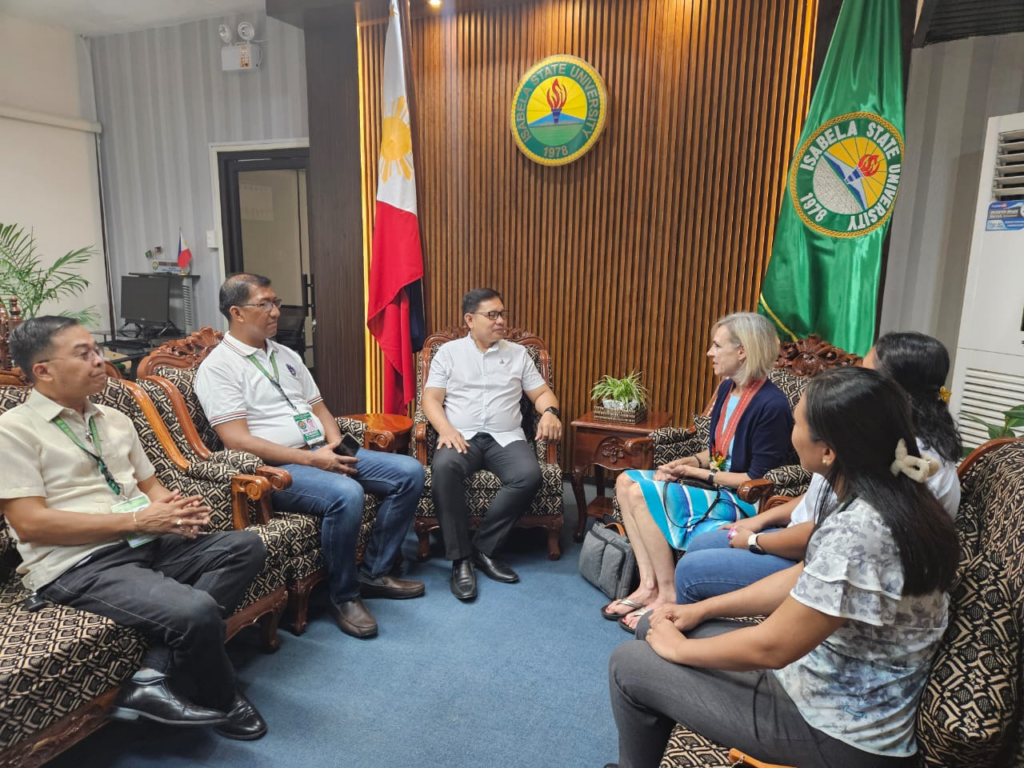
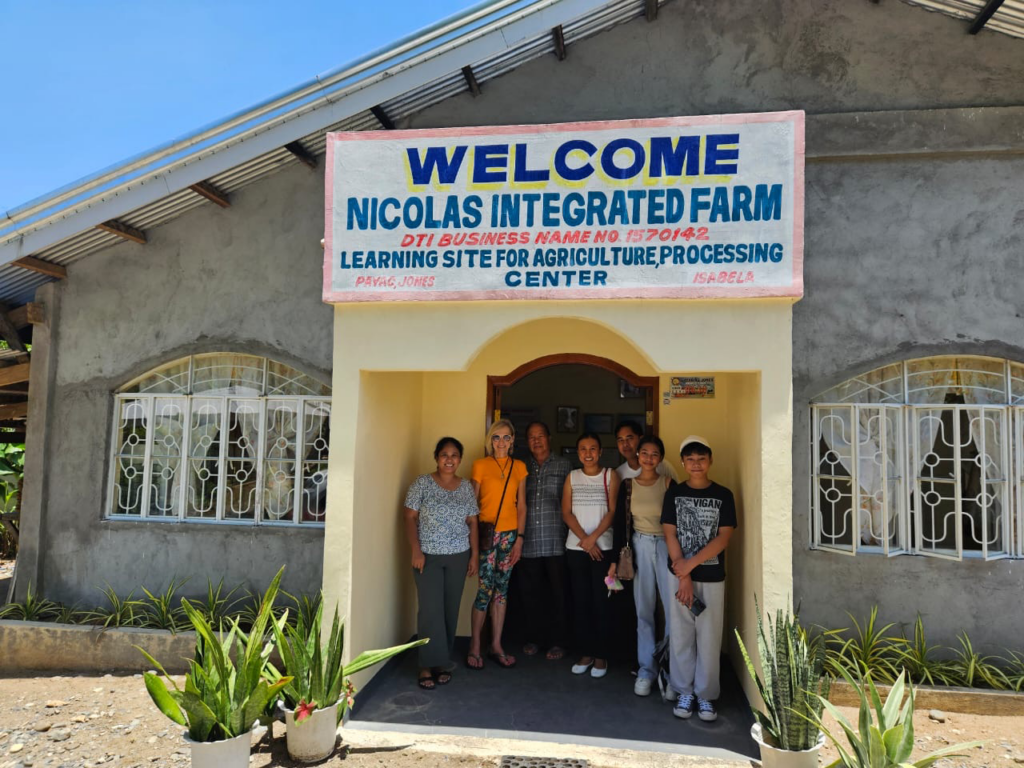
The One Health Initiative has built a working relationship as part of a USDA reciprocal visit with the Isabela School of Veterinary Medicine, Kalinga State University, the Mabuwaya Foundation, and the Philippine Crocodile Conservation Center. Initial discussions were around collaborative approaches to the United Nations Sustainable Development Goals Goals.
Scotland and West Africa

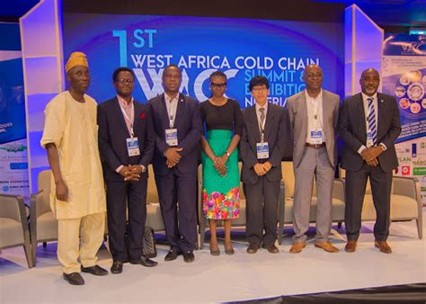

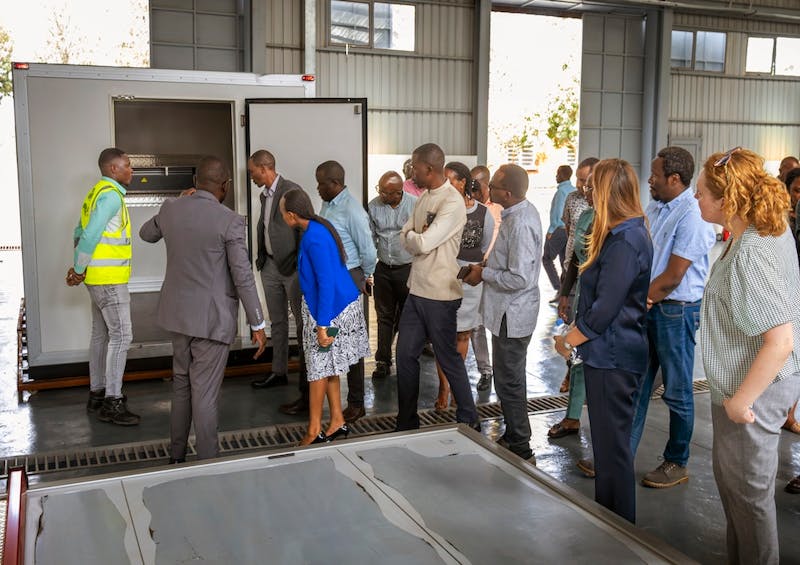
The One Health Initiative has partnered on several occasions with Professor Ted Henry from Heriot Watt University on international projects and student opportunities.
Dr. Henry is the Founding Director of the HWU ENABLE Scholarship Program designed to enhance the ability of communities within emerging economies to address the United Nations Sustainable Development Goals. Students who receive this scholarship work with in-country organizations while they earn their MS degrees in Renewable Energy Development, Sustainable Cooling, or Construction Project Management. His previous One Health Seminar, Evidence and Speculation on the Effects of Plastic Particles on Organism and Human Health, is available here: https://youtu.be/0WQ9rlLaQk4?si=erQjSOabscoJZ0ya.
Indigenous and First Nations
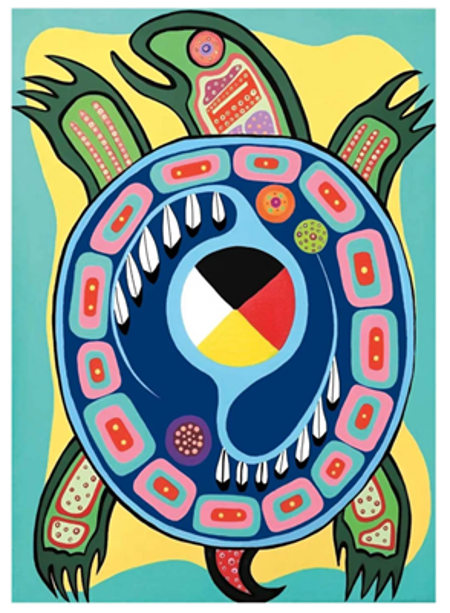
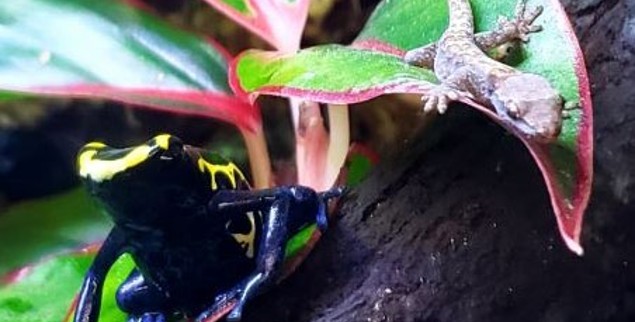
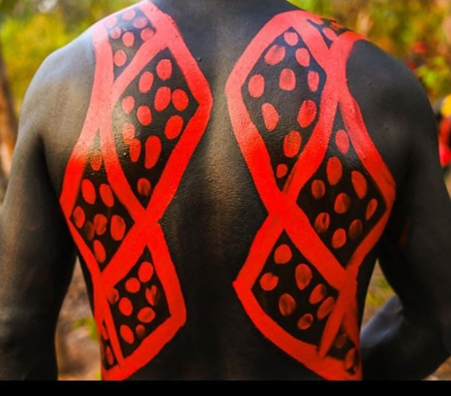
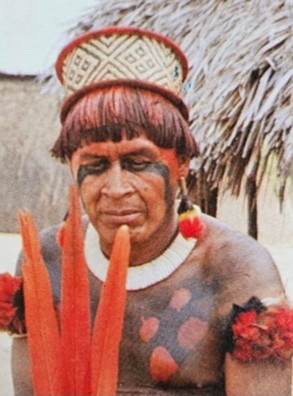
The One Health Initiative, in collaboration with partners across five continents, recently received acceptance from Frontiers in Amphibian and Reptile Science for a manuscript covering Indigenous and First Nation traditional knowledge on herptile health and how it informs current conservation strategies, “Culture and Conservation: A One Health approach to Indigenous and ancestral herptile knowledge.”